Popular Searches
No results for
Stories, guides and secrets of the city. No spam.
Thank you! You've been added to the list.
All the stories
35 articles
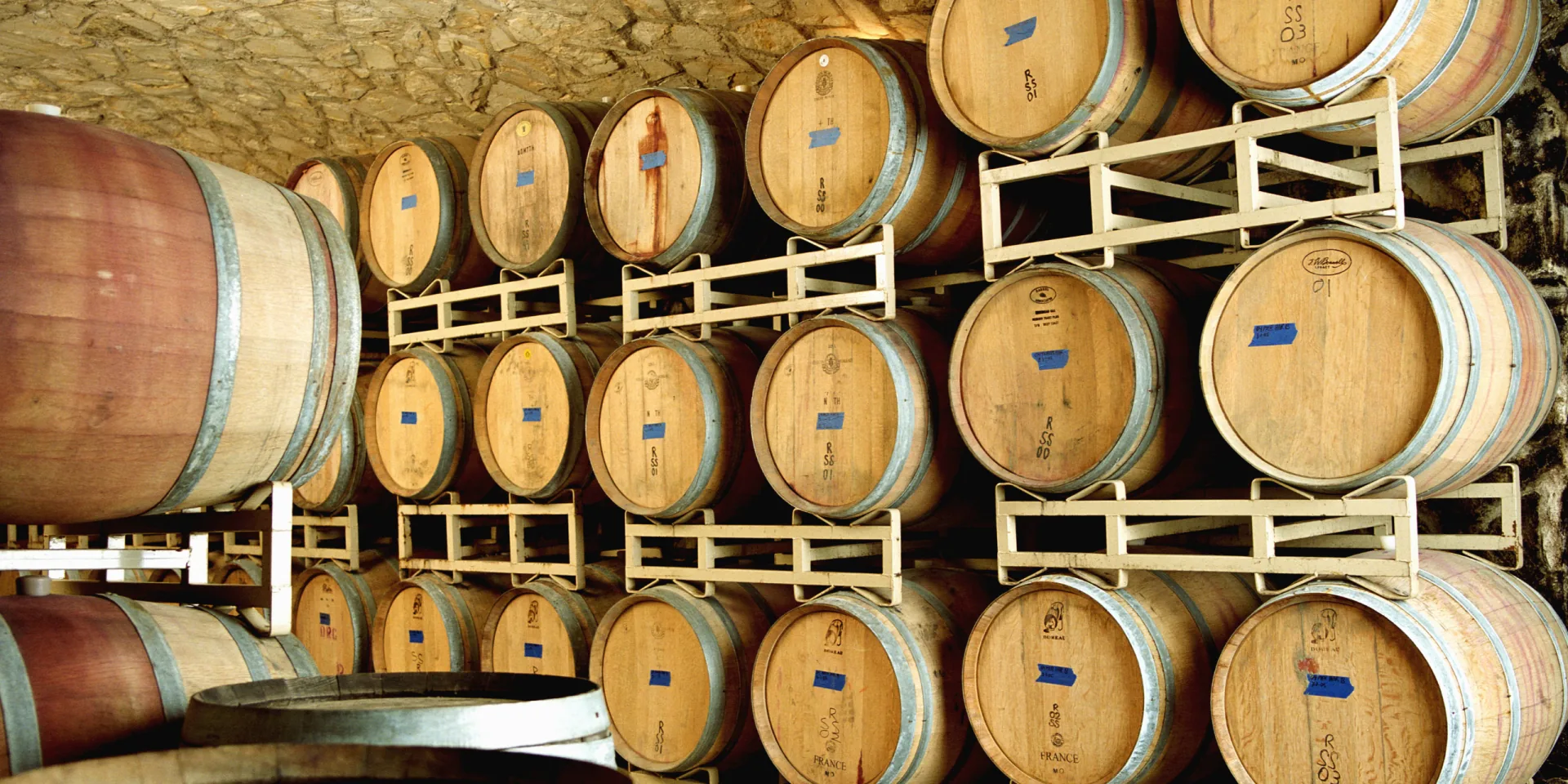
Outside those months the barrel is gone and the bottle takes over. The denomination admits 115 apple varieties, all of them local.
One opens at 7:30, another at 9:00, and in August the afternoon session survives in only two of them. Bilbao Zerbitzuak sets them all.
Nineteen growers, four and a half hectares, and a rulebook that fixes the pepper at 6 to 9 cm and 10 to 12 grams.
Thirty-six wineries across twenty-five towns, six white grapes authorised with limits, and a five-expert panel behind every bottled lot.
A signposted 38.1 km trail circles the city, and one of its eleven marked entrances leaves from the square beside the museum.
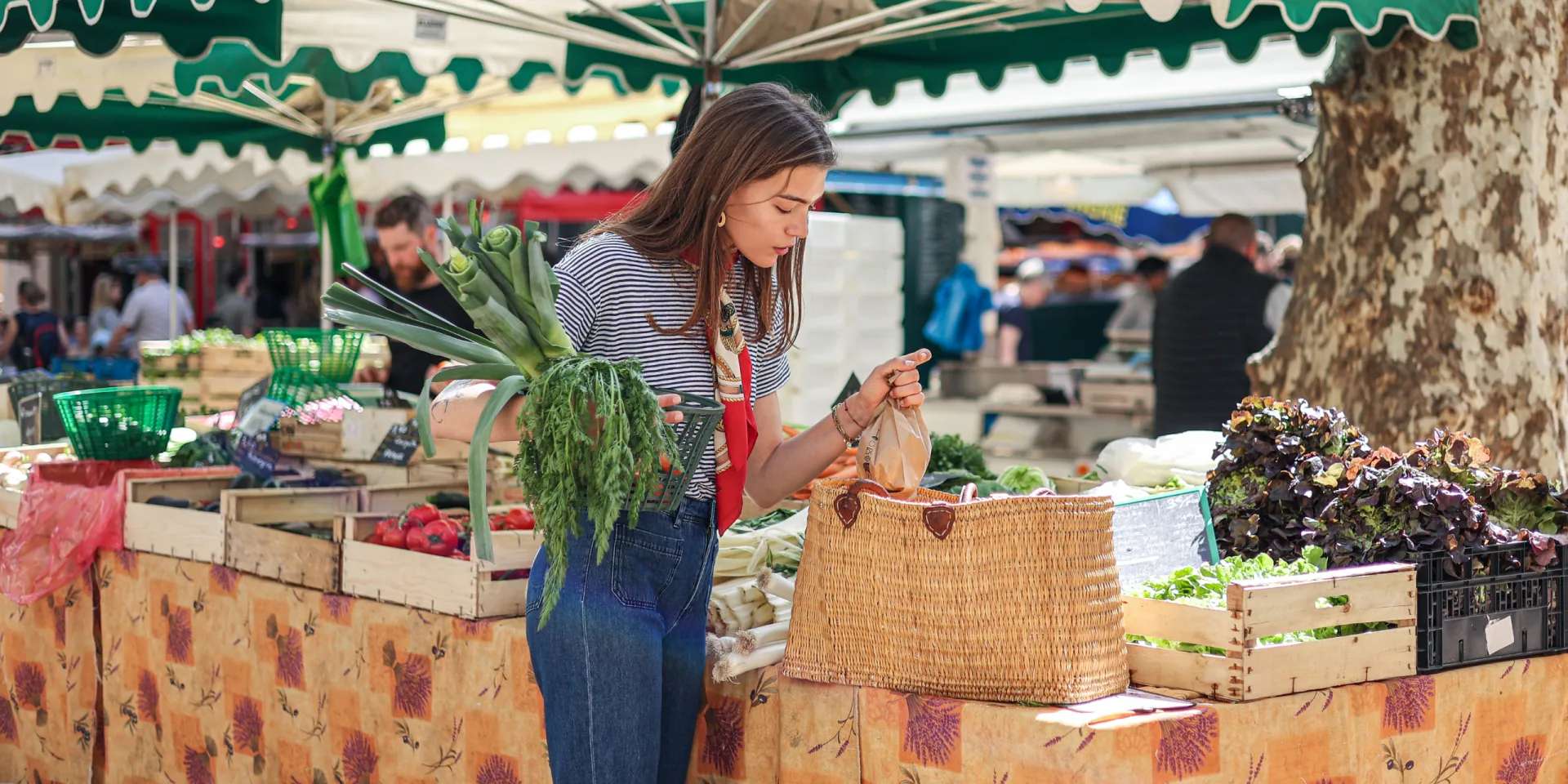
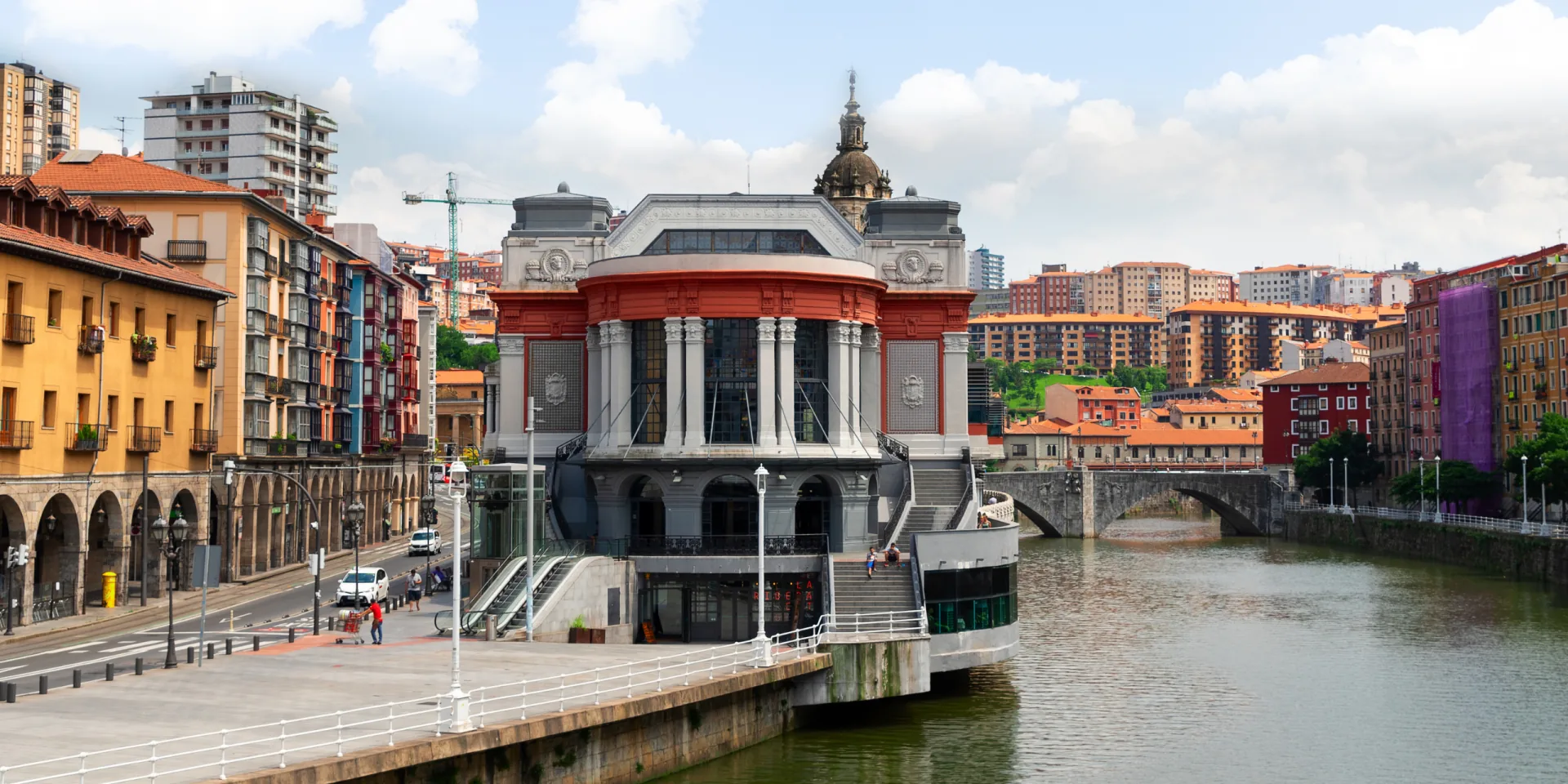
Every stall sets its own hours, and the gap between them decides your visit. Sixteen open on Friday afternoon and none on Saturday.
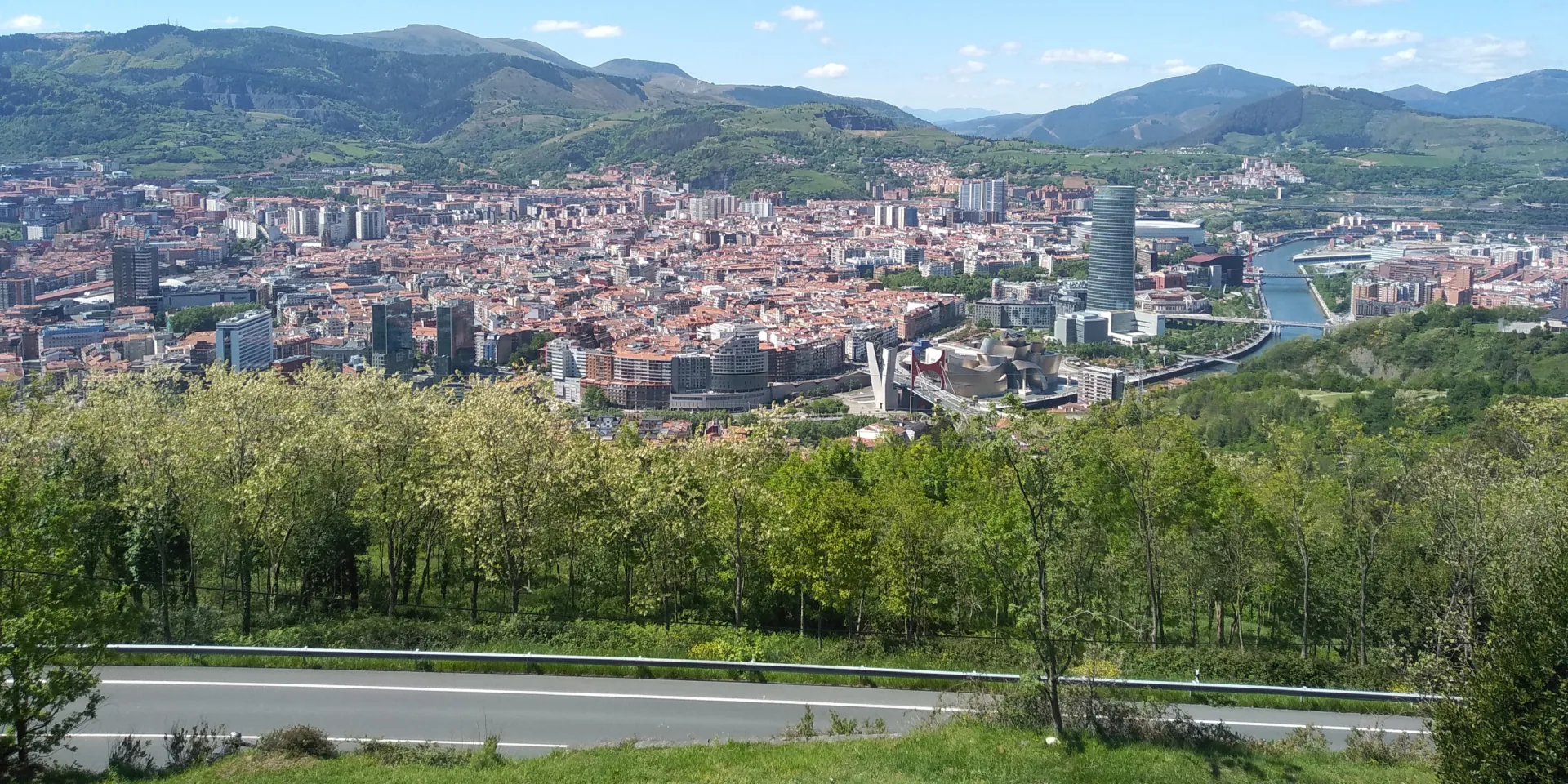
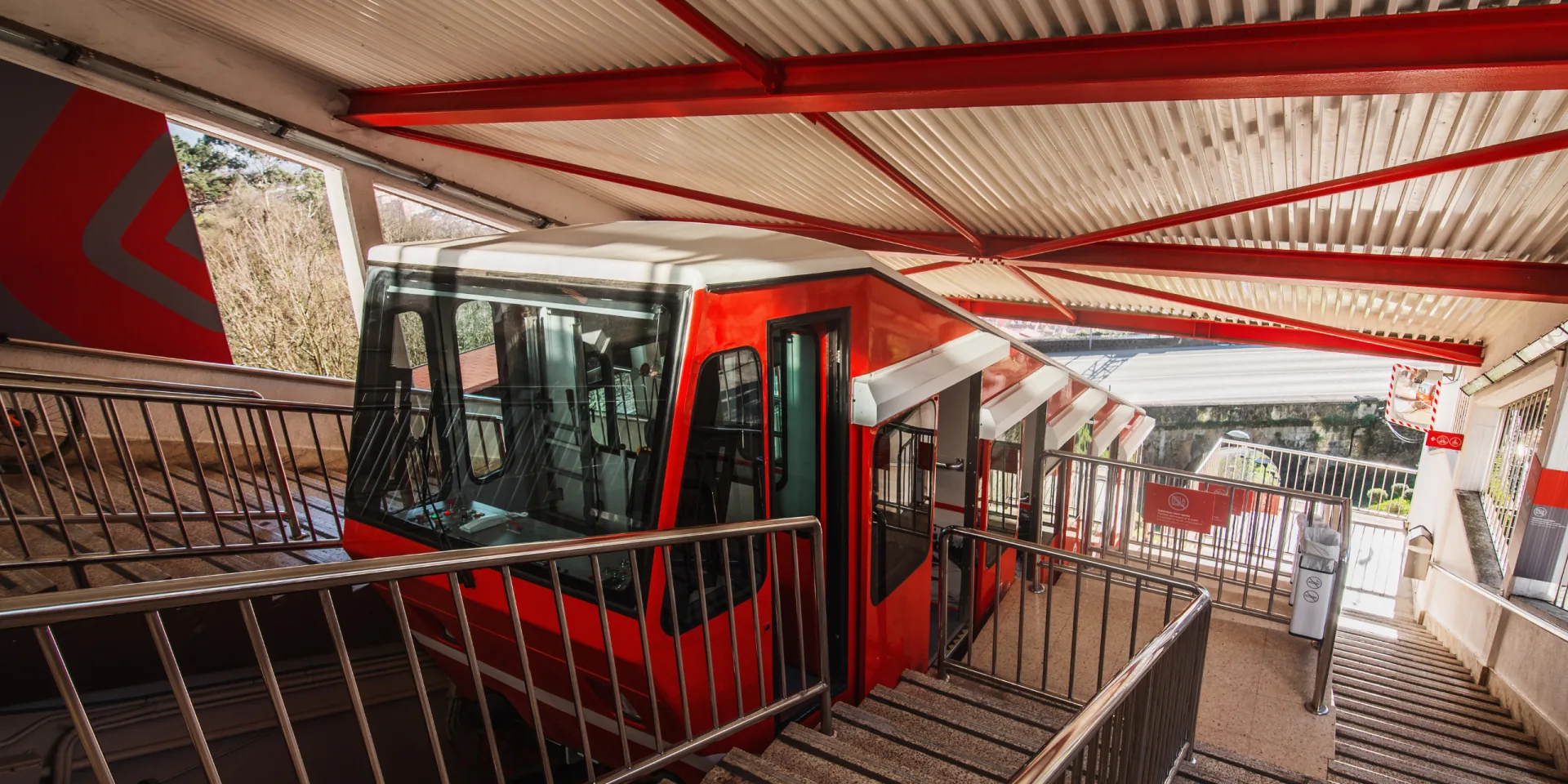
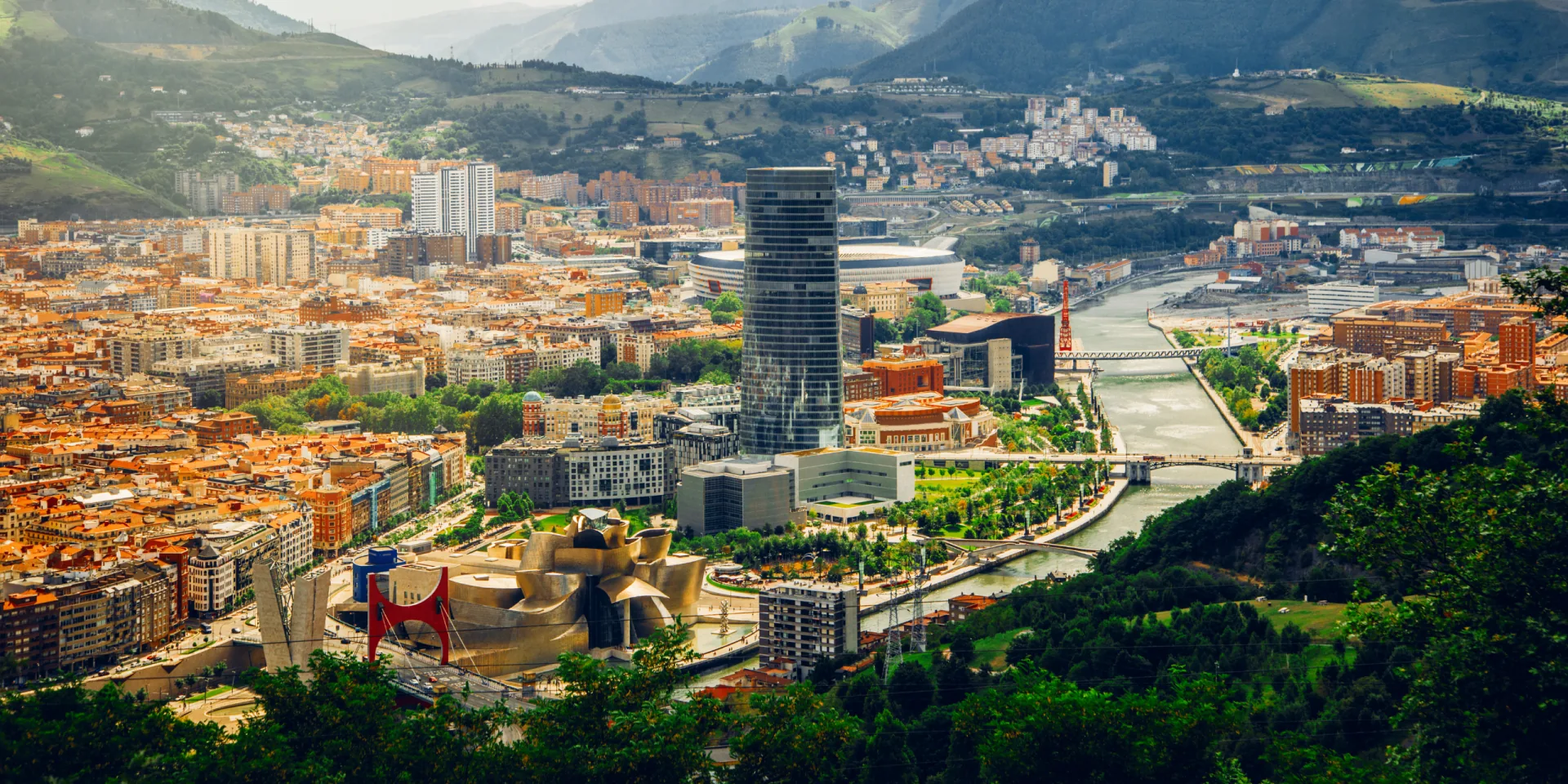
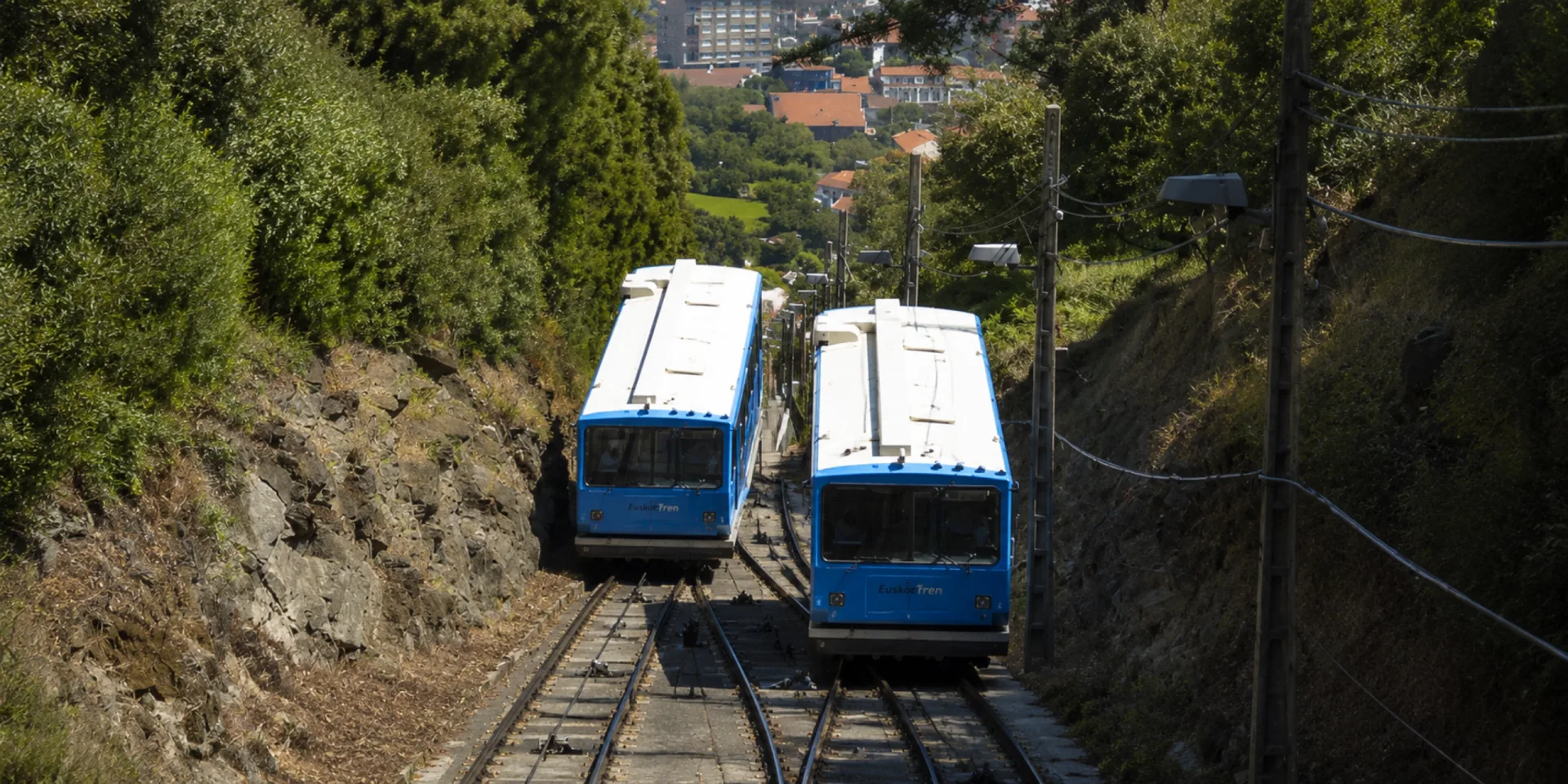
A rack railway from 1915 climbs to the viewpoint that explains the whole city. It takes three minutes, and what you pay depends entirely on what is in your pocket.
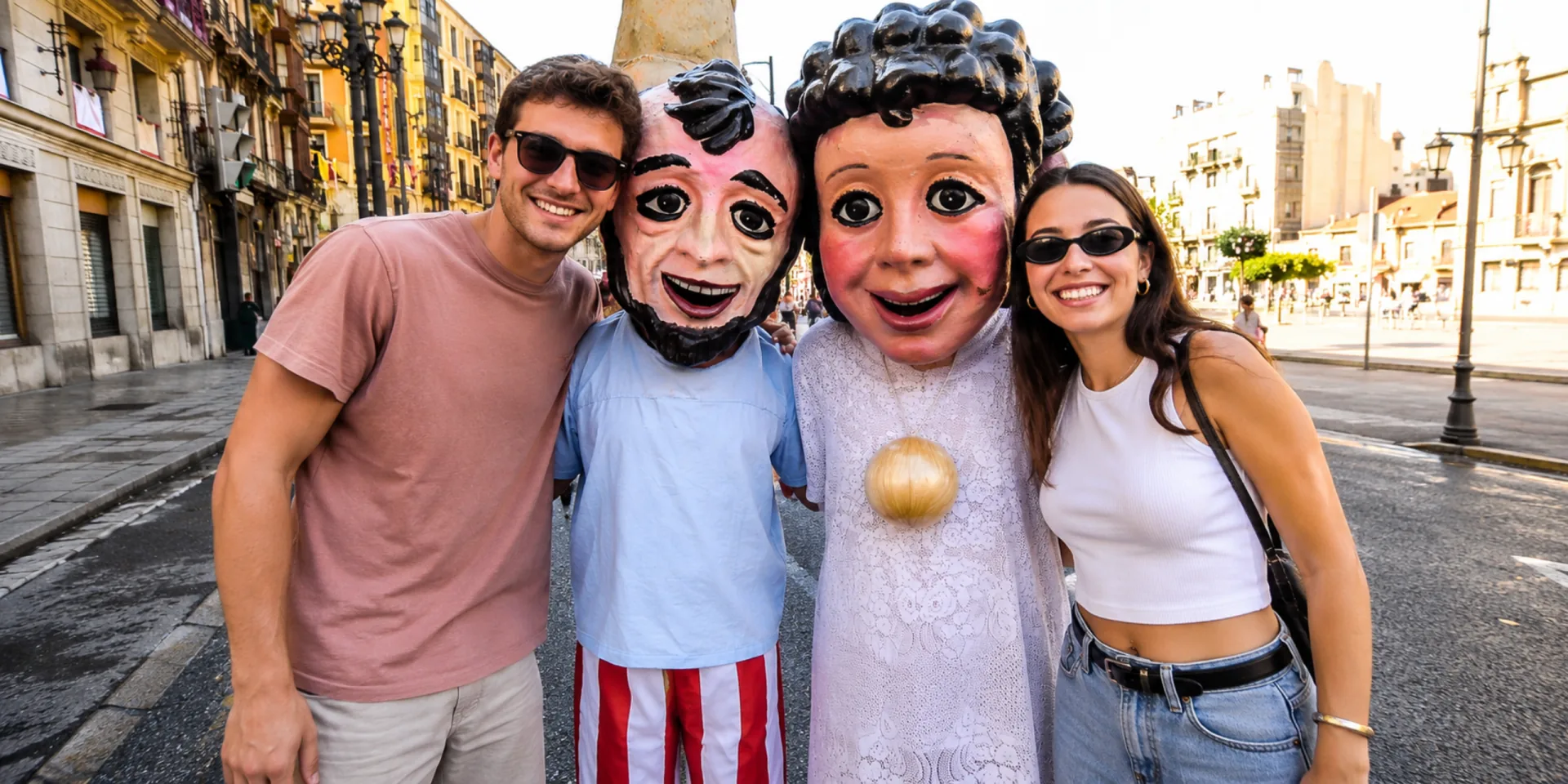
The same museum renders the giants as Gigantes de Bilbao and leaves kalejira untouched. Nine August days with a vocabulary and a free museum.
None to get around, and six words to avoid a closed door. The harder question is which of a place's two names is the official one.
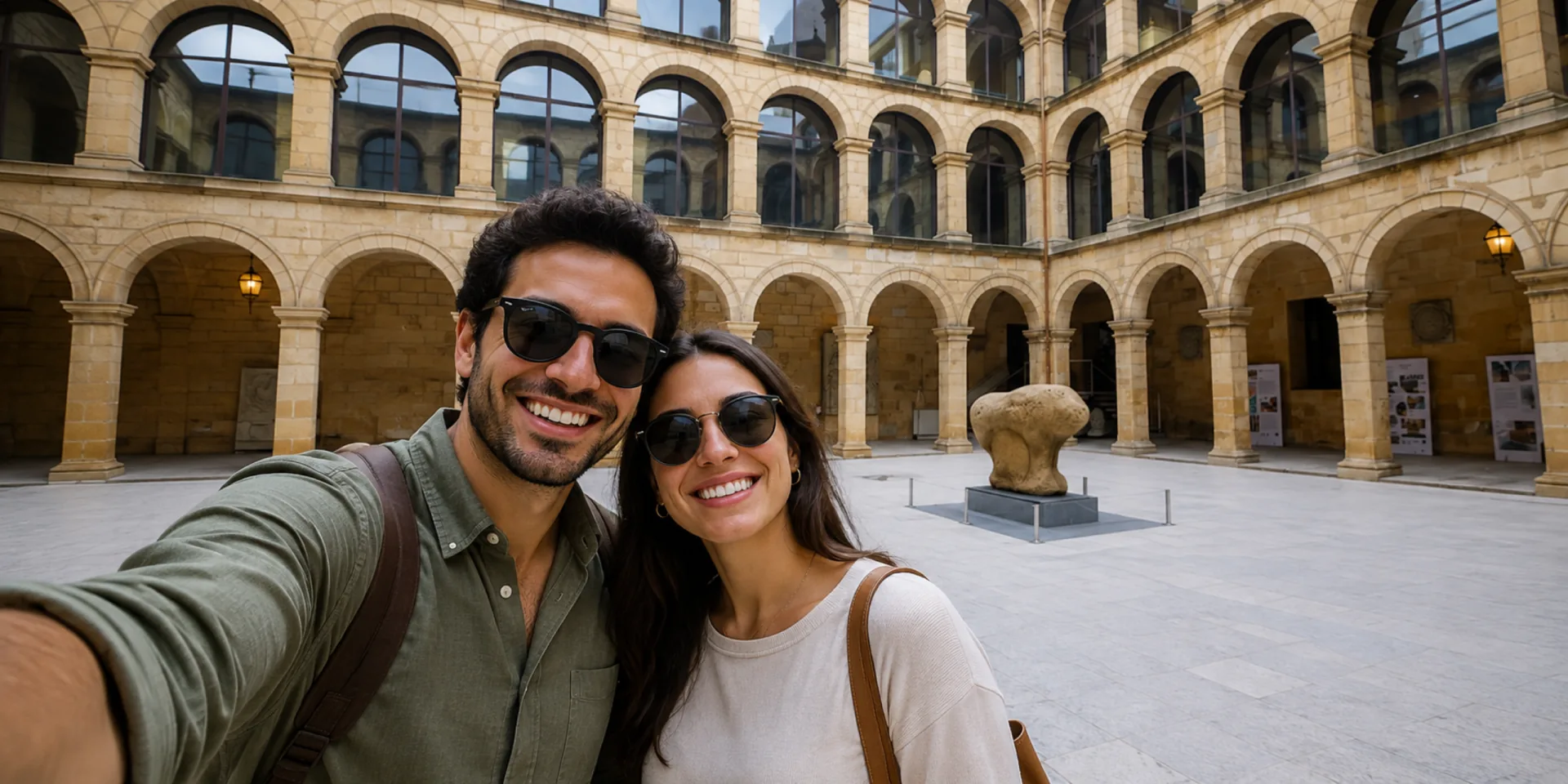
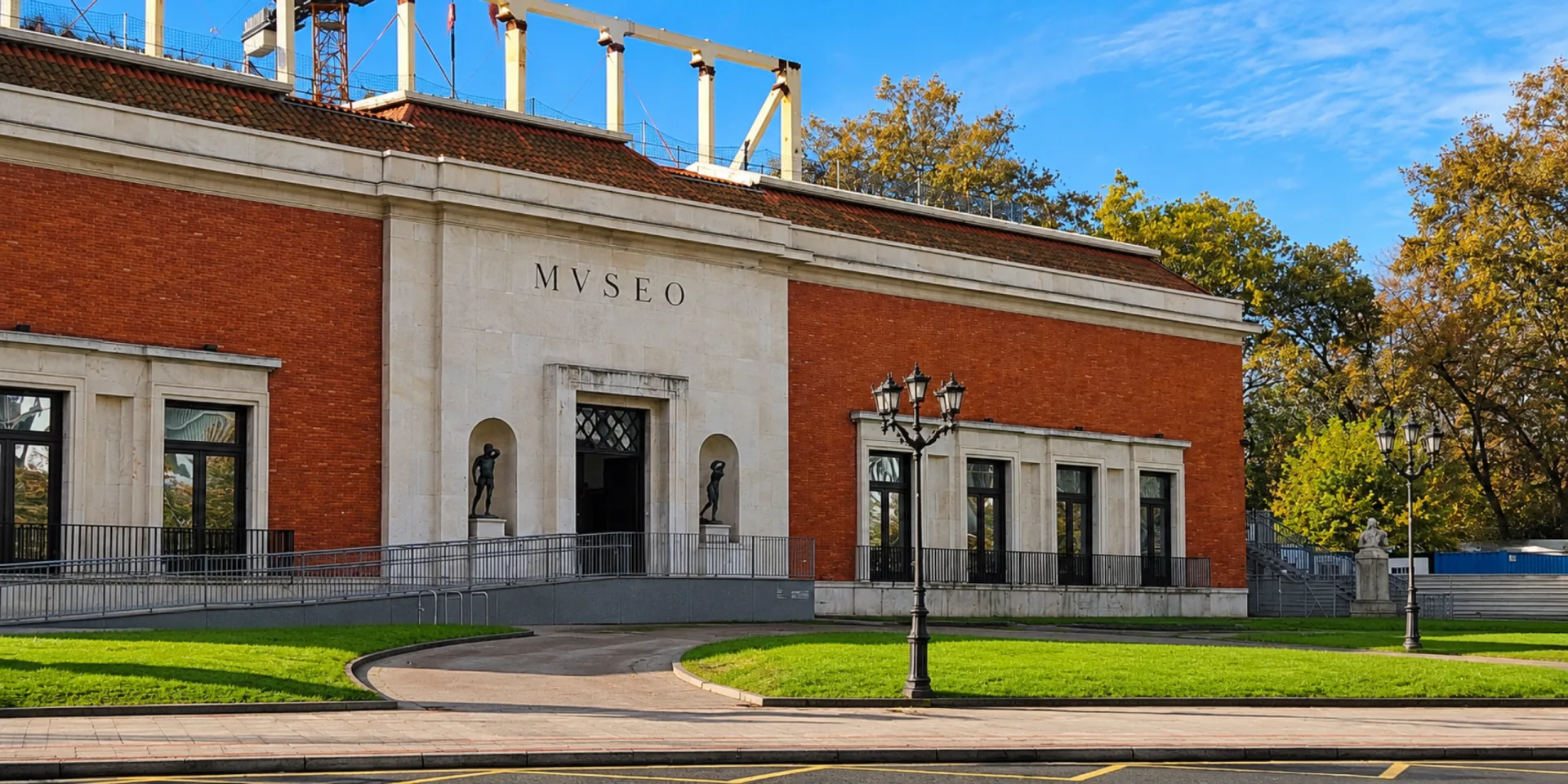
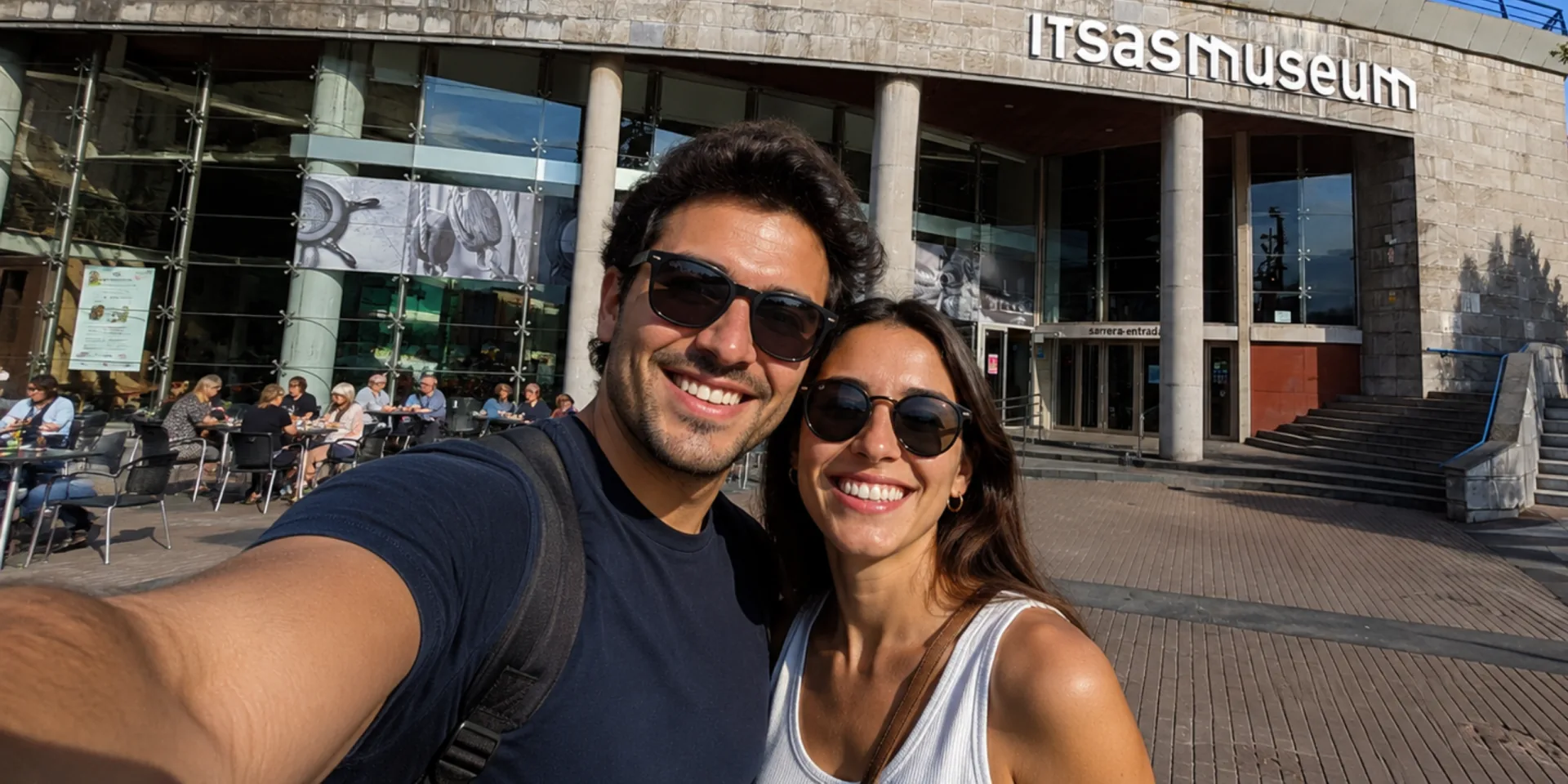
Euskal Museoa charges nothing on Wednesdays and shuts entirely on Tuesdays, which is the opposite pattern to almost every other museum in the city.
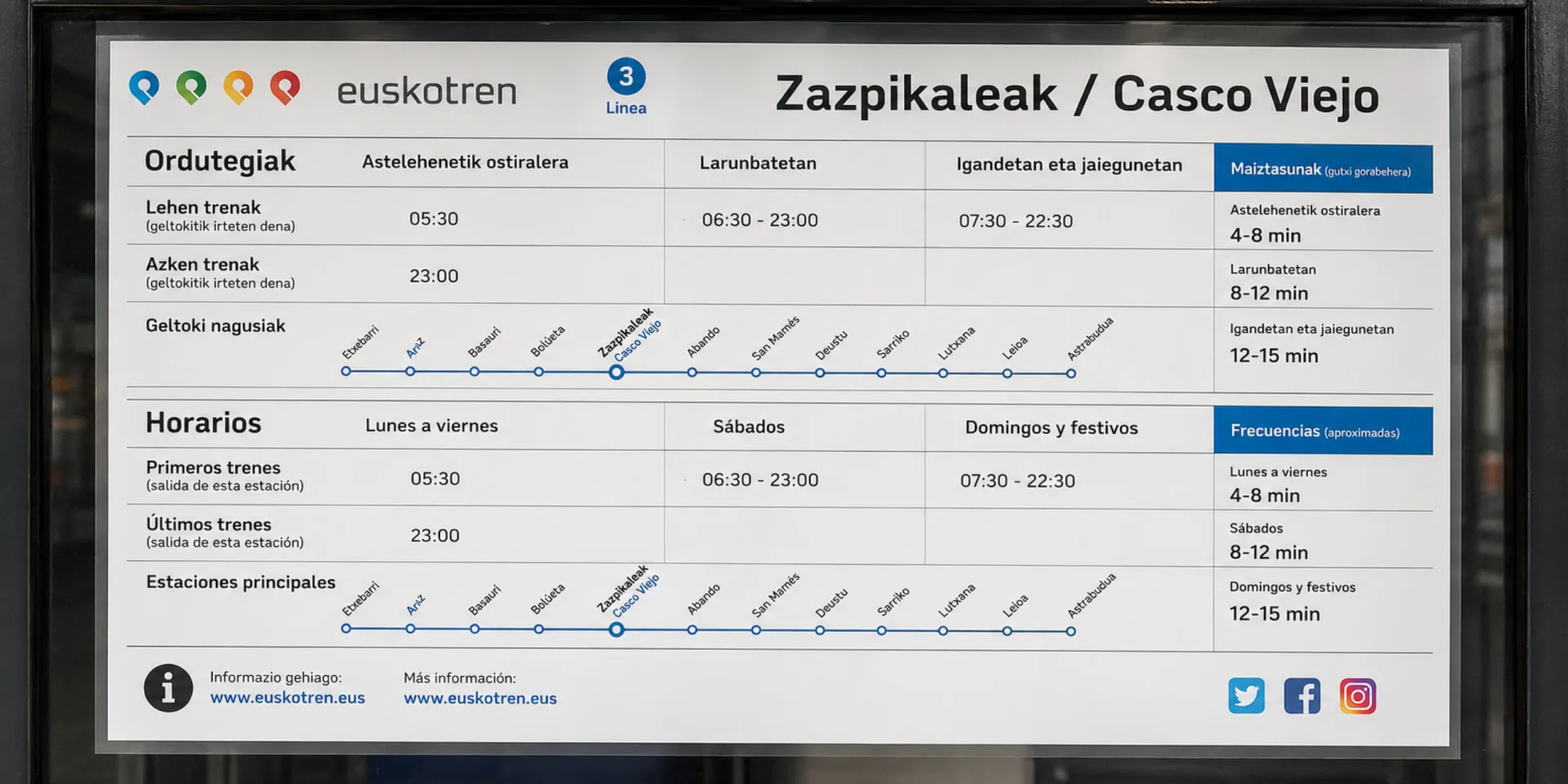
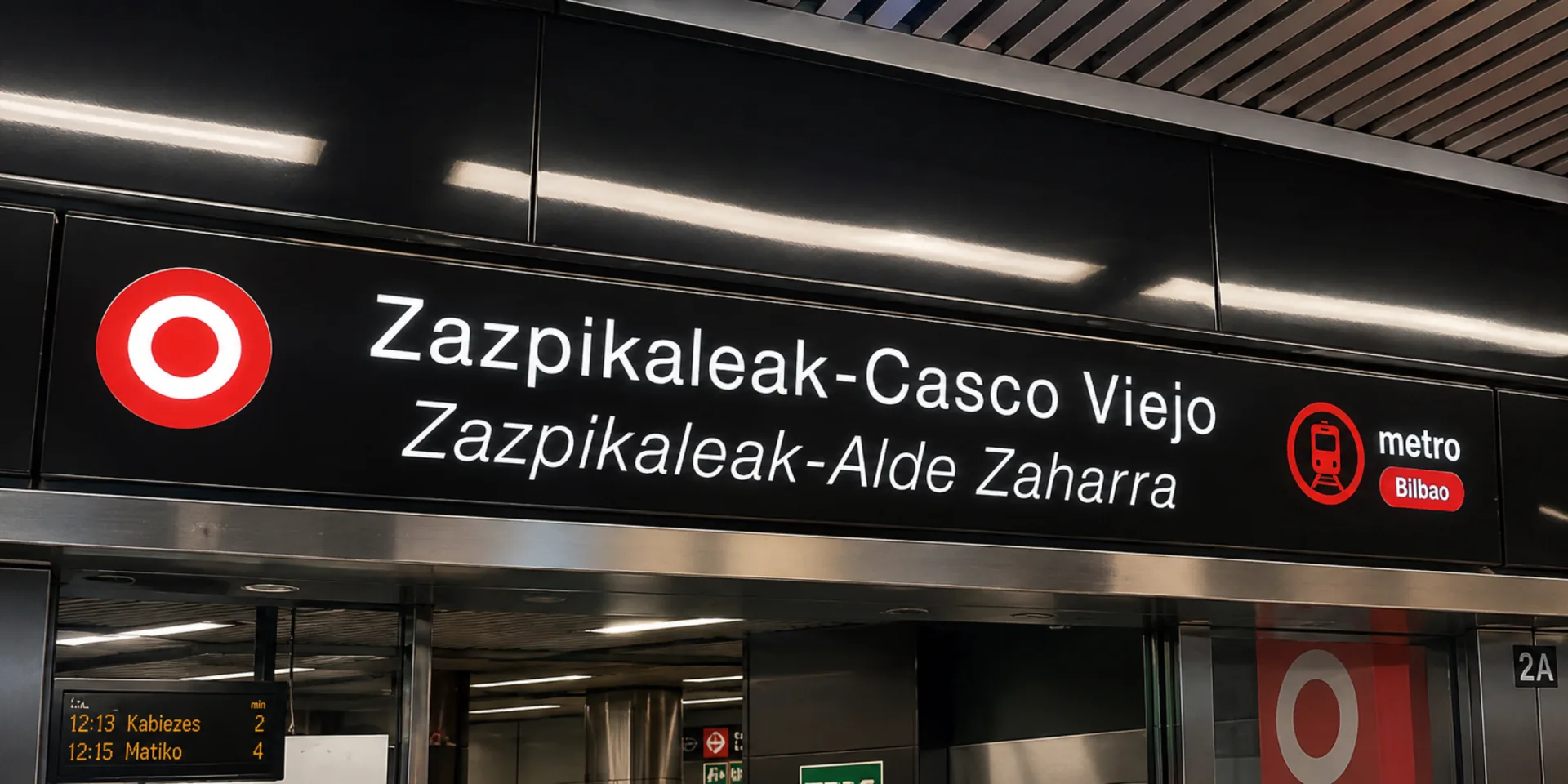
Itxita means closed, doakoa means free, and -tik to -ra marks the range on every timetable. Eleven words cover a station board and a museum till.
Biscay's biggest fishing port sits 27 kilometres from the airport and runs a Gaztelugatxe interpretation centre open only in summer, never on Mondays.
The museum is open right now, in a 1970 building worth the visit on its own. On 5 October it becomes a different museum entirely.
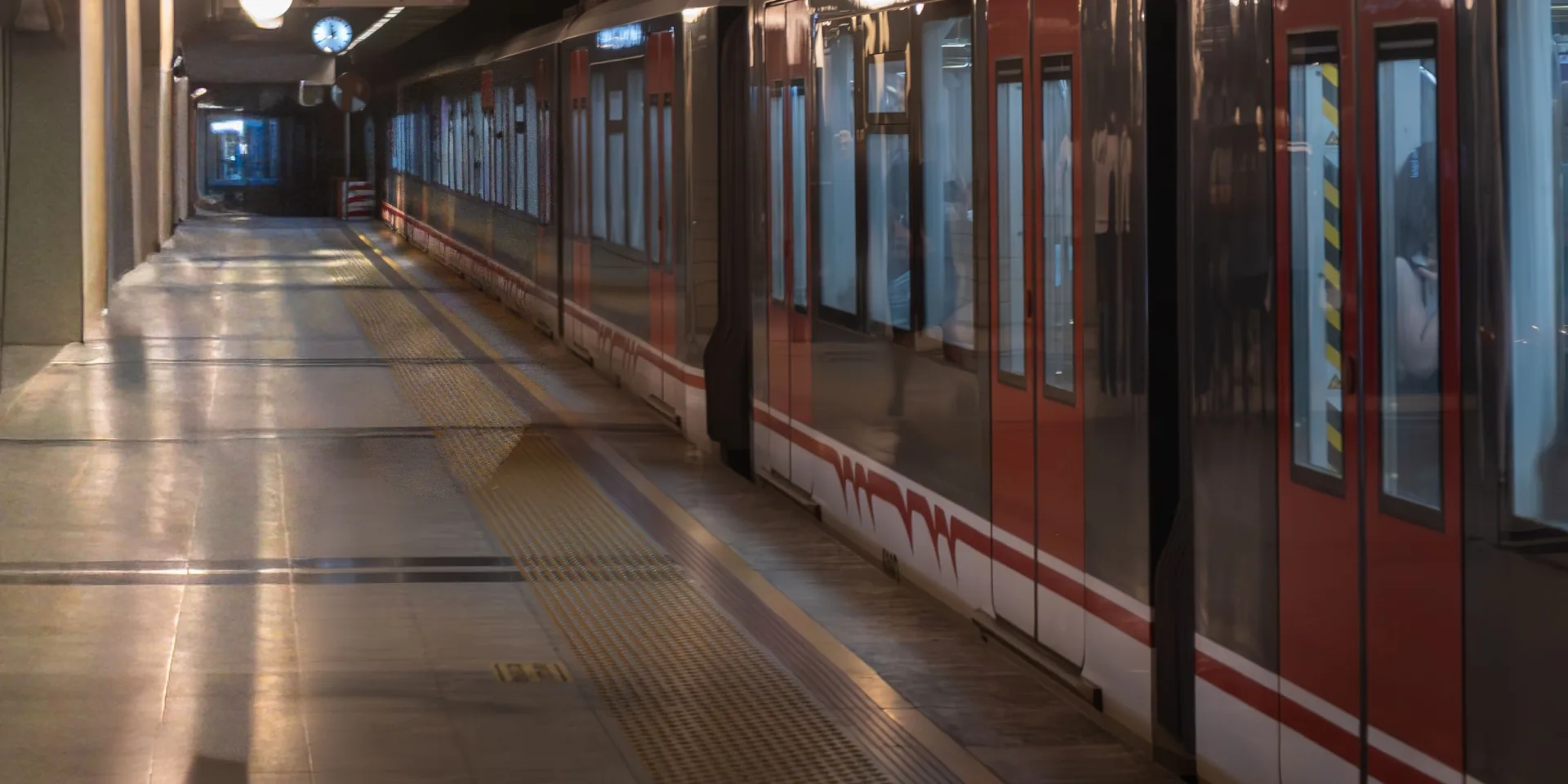
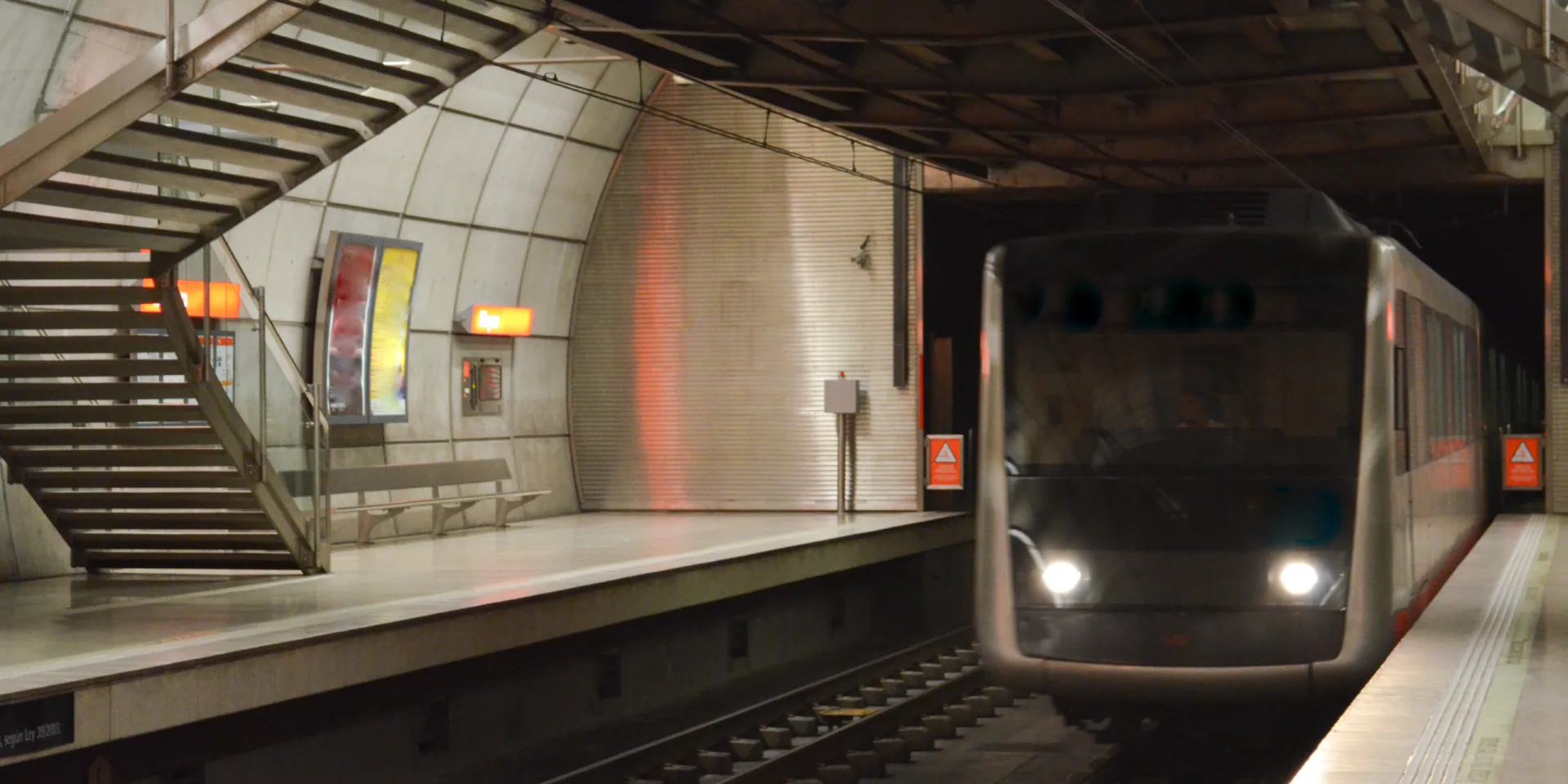
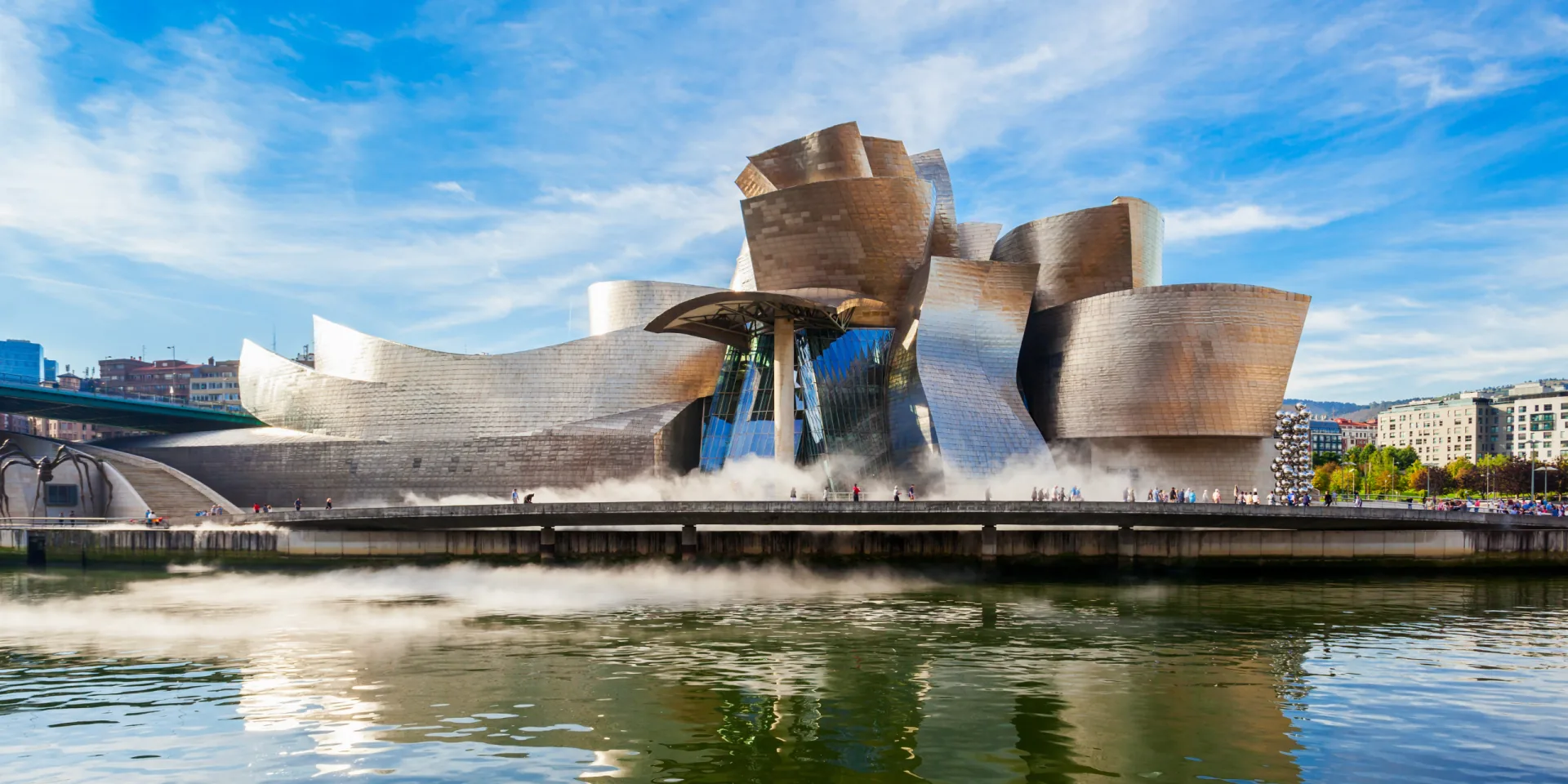
Three metro lines follow the two banks of the estuary. A tram runs along the surface past the Guggenheim, where no metro station reaches.
Four museums, three different closing days and three free windows that never overlap. Which one you can visit depends on the weekday more than on taste.
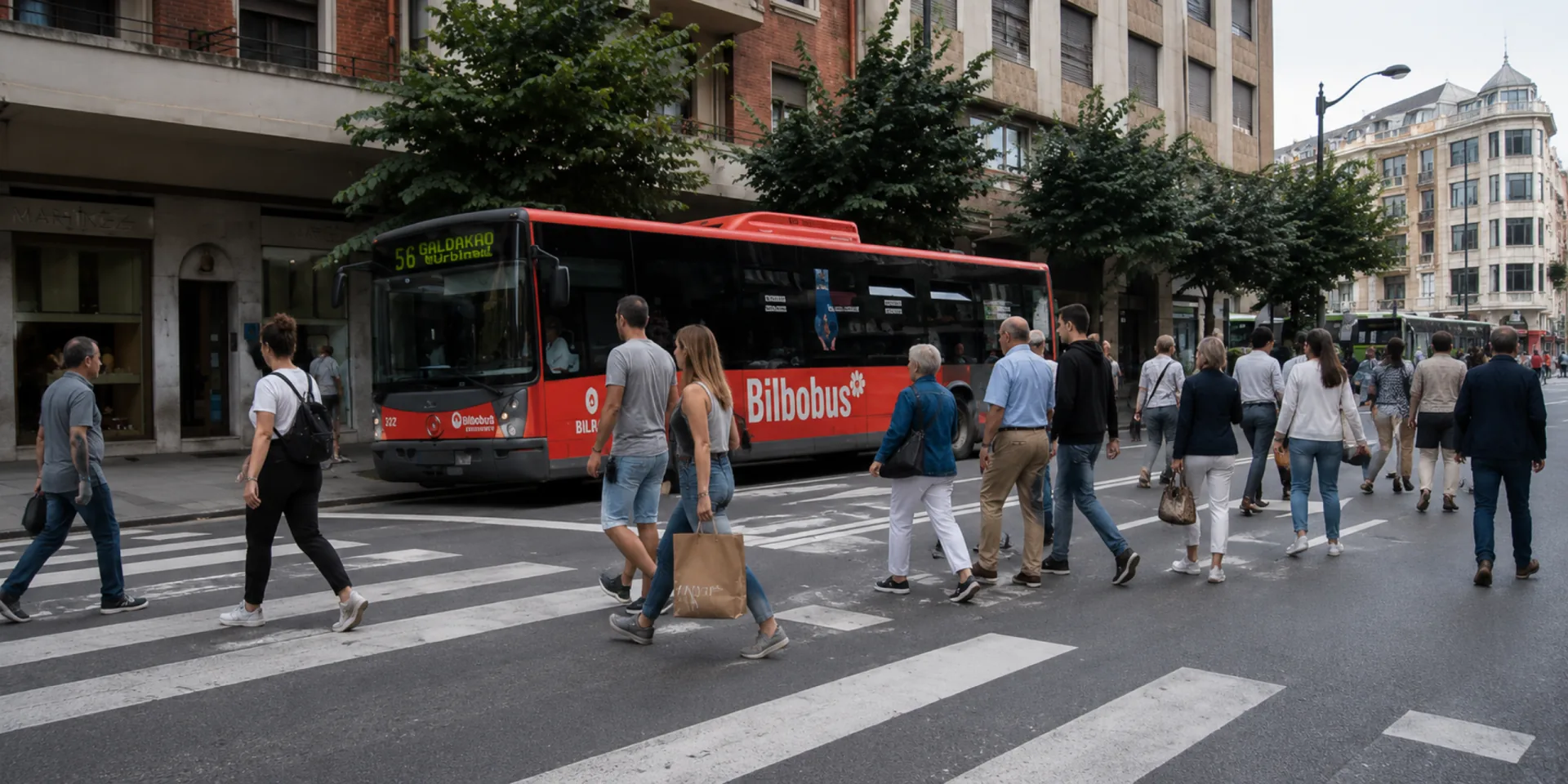
Bilbao's night buses carry a G and share a single terminus. Learn the square and the whole network collapses into one instruction.
The Basque Language Academy sets Bilbo as the Basque form while the official name stays Bilbao. Type the wrong one and the timetable will not load.
Euskotren's E4 is not on the metro map and does not use the main station. It reaches Mundaka in 79 minutes and runs through the night on Saturdays.
Gernika is 61 minutes by train, Bermeo 84, and Bakio has a bus every half hour in summer. The catch is not distance, it is the last service home.
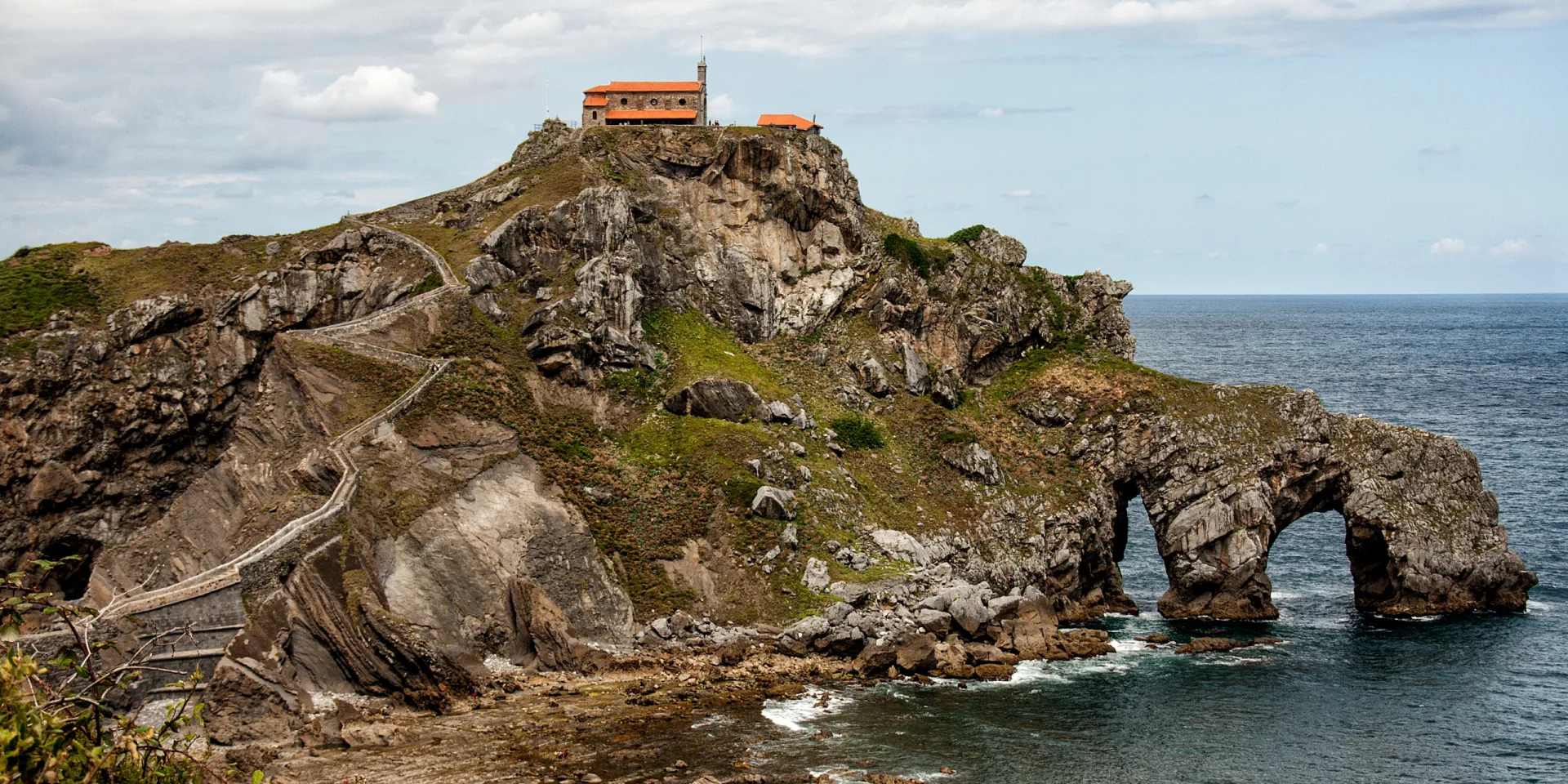
Entry costs nothing and booking is only required on controlled-access days. The provincial council itself advises leaving the car in Bakio or Bermeo.
The Peace Museum costs €6.50, opens free on Saturday afternoons and shuts for most of January. The painting everyone asks about is in Madrid.
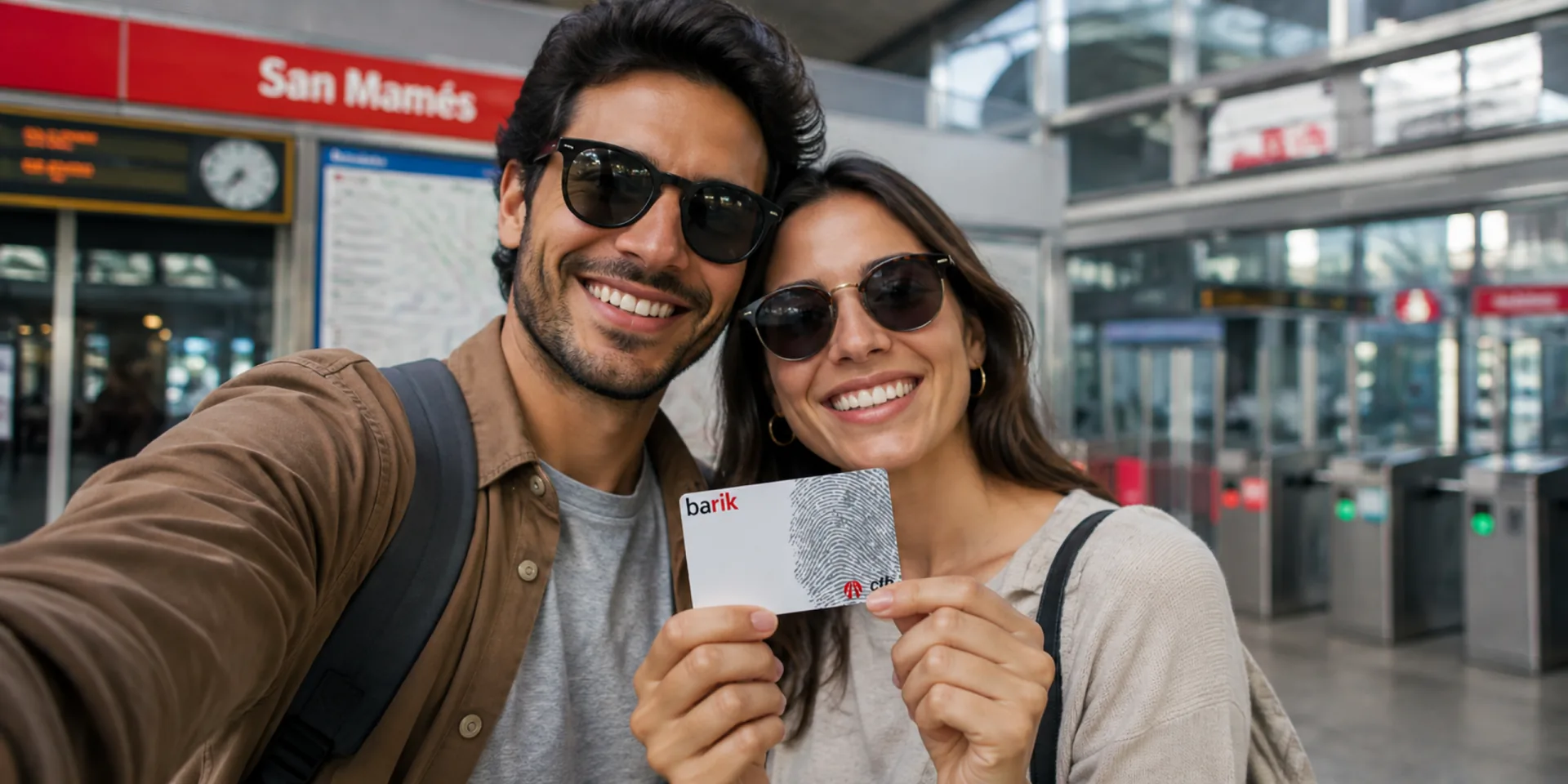
One anonymous €3 card covers up to ten people at once, works on sixteen different services, and keeps working as far as San Sebastián and the French border.
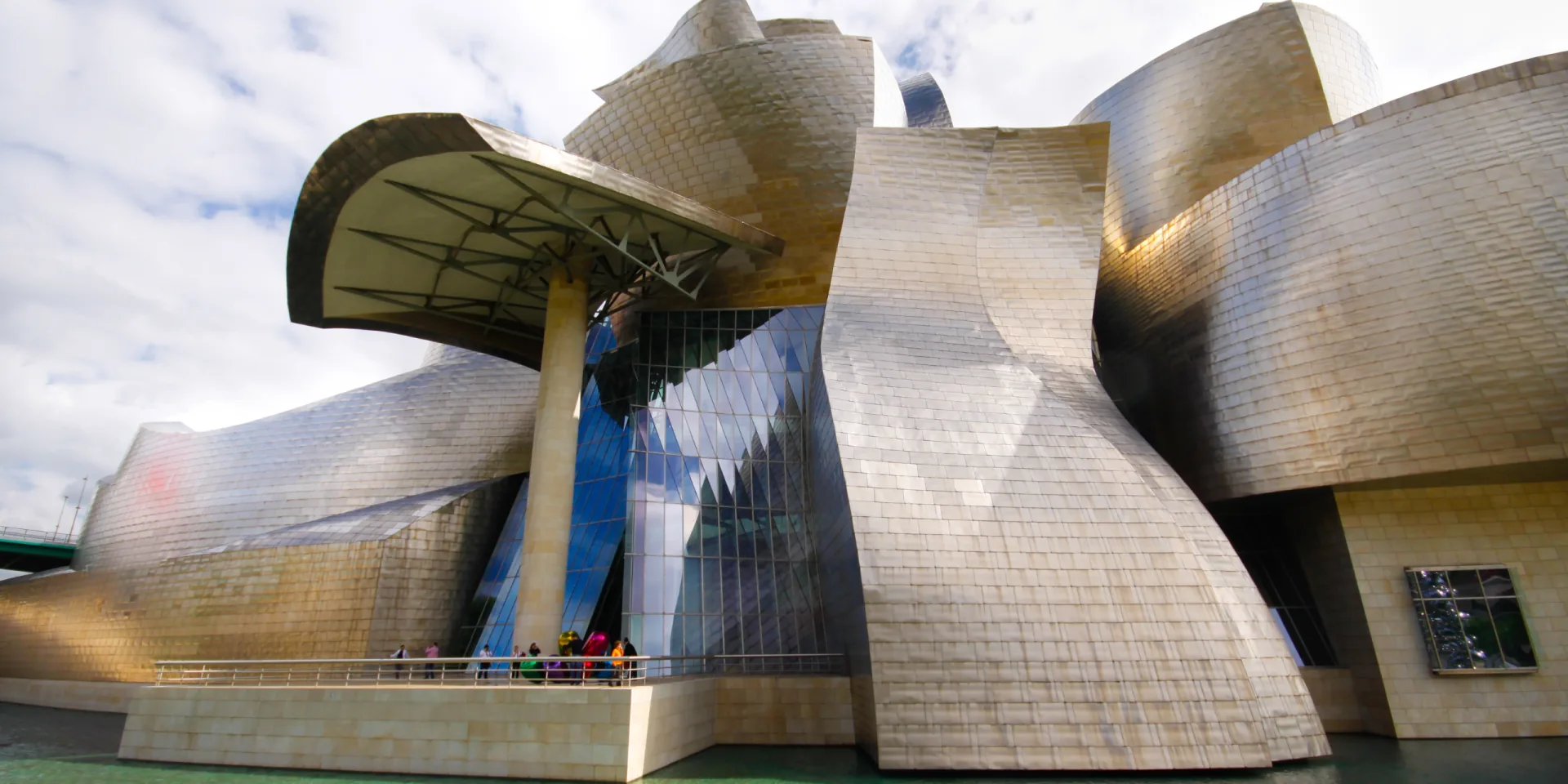
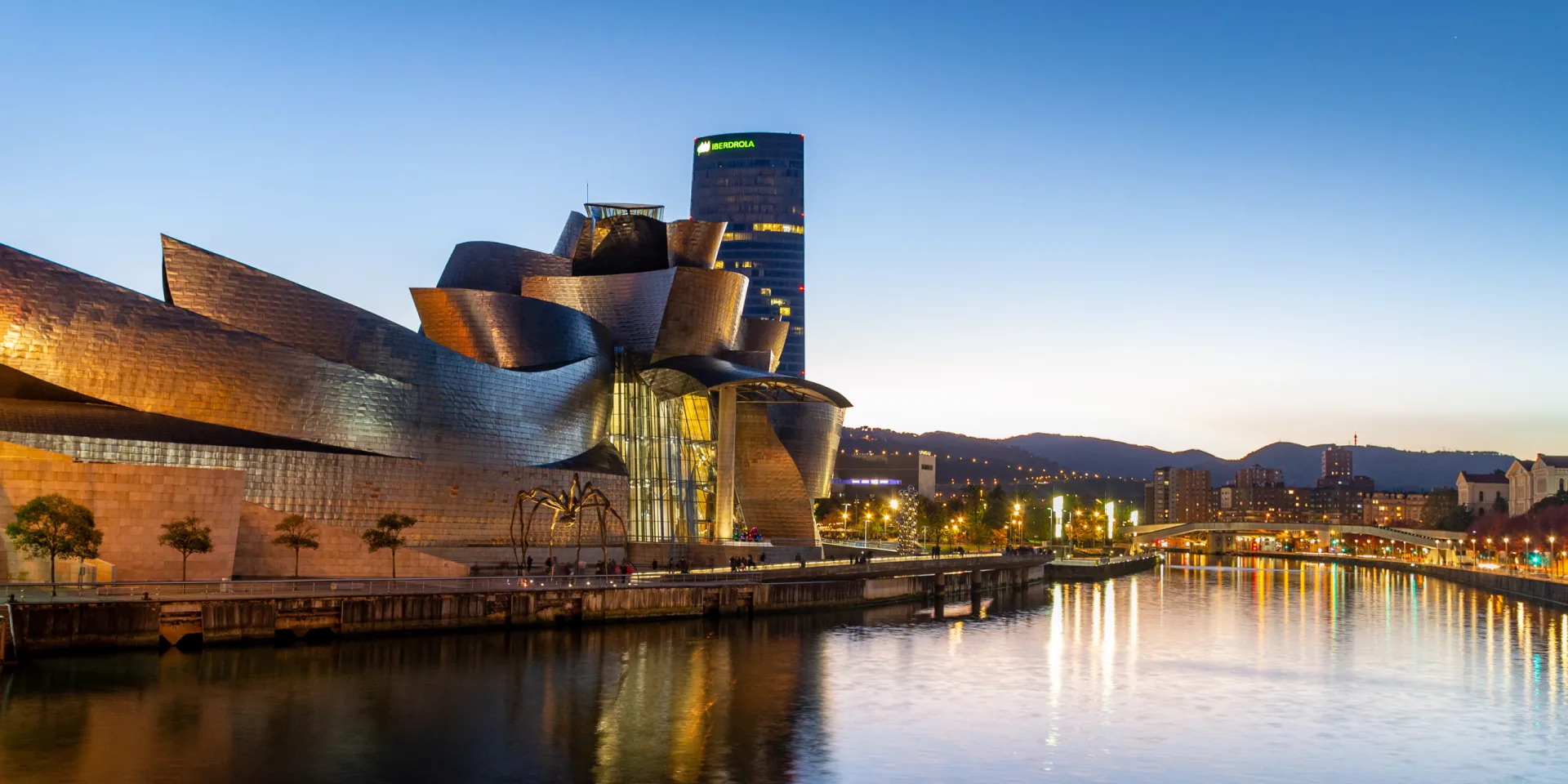
There is no free day at the Guggenheim, but there is a recurring half-price window written into the exhibition calendar rather than the weekly timetable.
Four letters carry a different value in Basque, and they account for almost every name on the Bilbao metro map. The Academy's own rule says nobody will correct you.
Bilbao's maritime museum opens its doors free to every visitor on Sunday afternoons, no residency and no membership required.
Larreineta is not the tourist funicular. It is a commuter line up a mining hillside, with a gap of under 50 mm between platform and car.
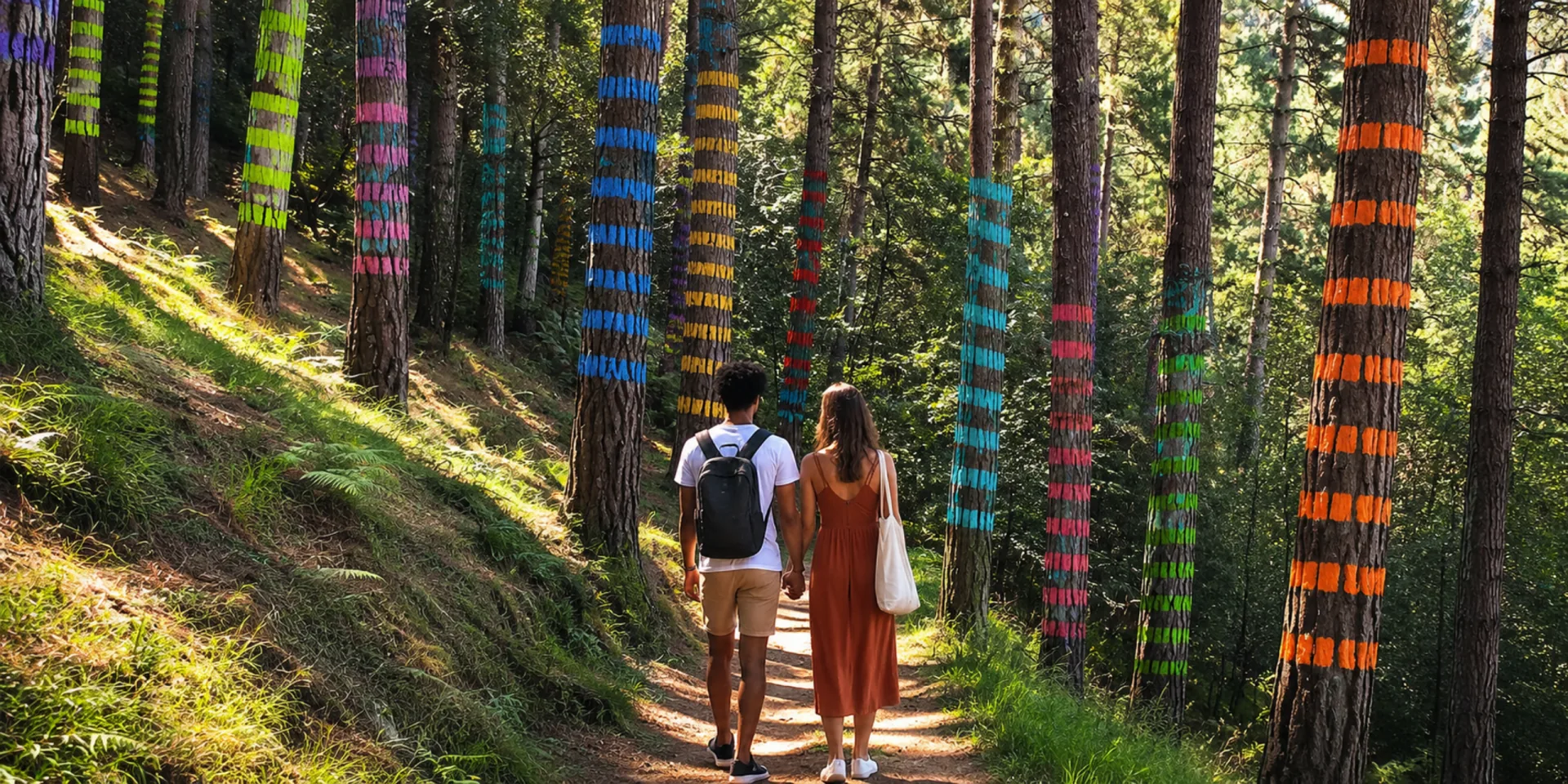
No car reaches it and no ticket is sold, yet a booking is compulsory. Thirty-four painted groups across roughly 800 living pines.
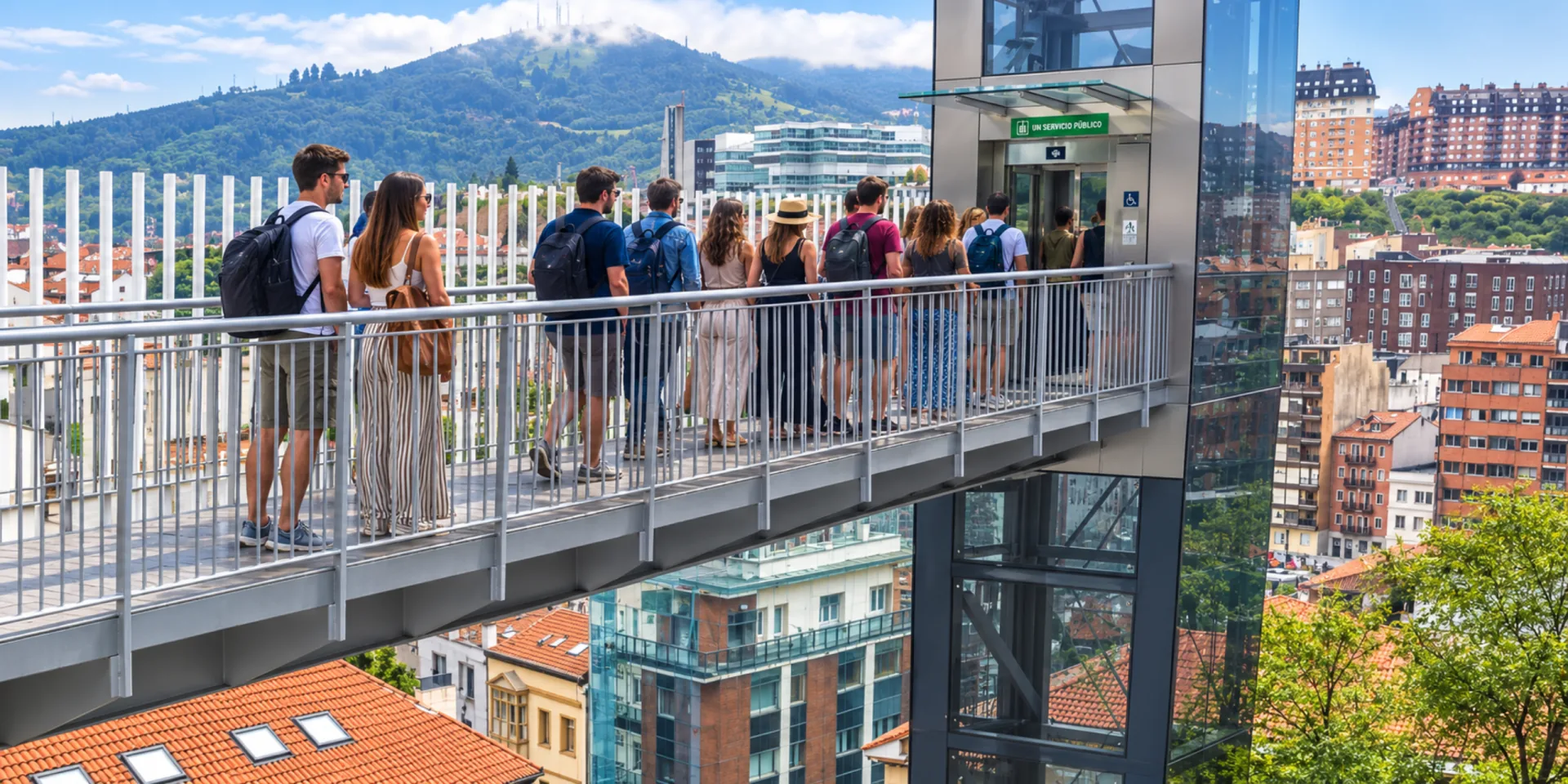
Three panoramic lifts cost nothing and run seventeen hours a day. Crossing the same stretch of water ranges from 40 cents to eleven euros.
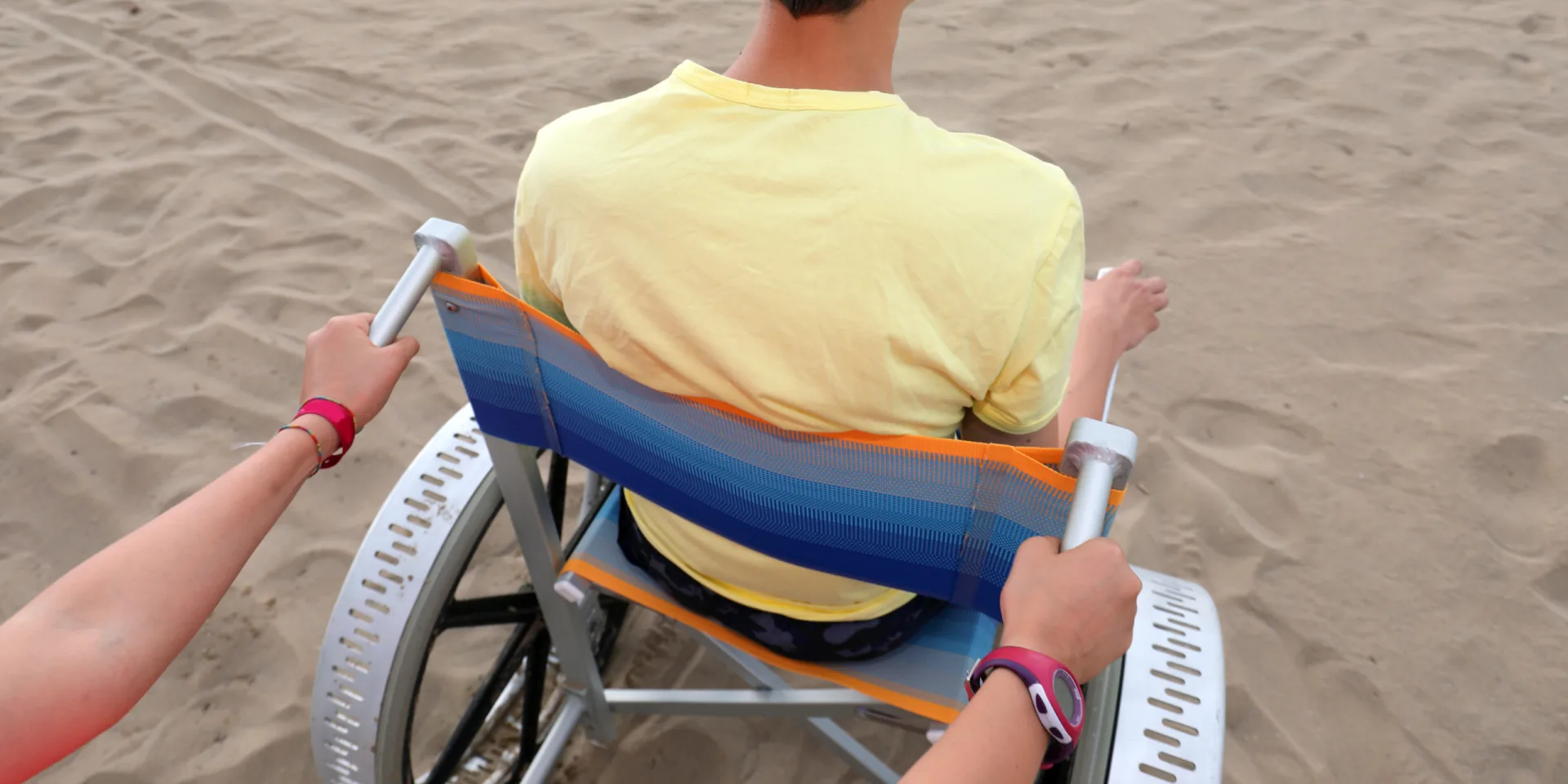
Biscay runs an assisted bathing service on eight beaches, free and bookable. Only three are reachable on the metro, and groups have to book online before they arrive.
The airport bus fare in Bilbao is officially defined as the price for people without a Barik card. That wording tells you how the whole system is designed.
Twenty municipalities in Bizkaia have a beach and the metro reaches three. Those three are also the cheapest, and leaving them nearly doubles the fare.
There is no metro to Bilbao Airport. One bus line covers it, running every quarter of an hour, and the direction you need stops earlier than you would expect.
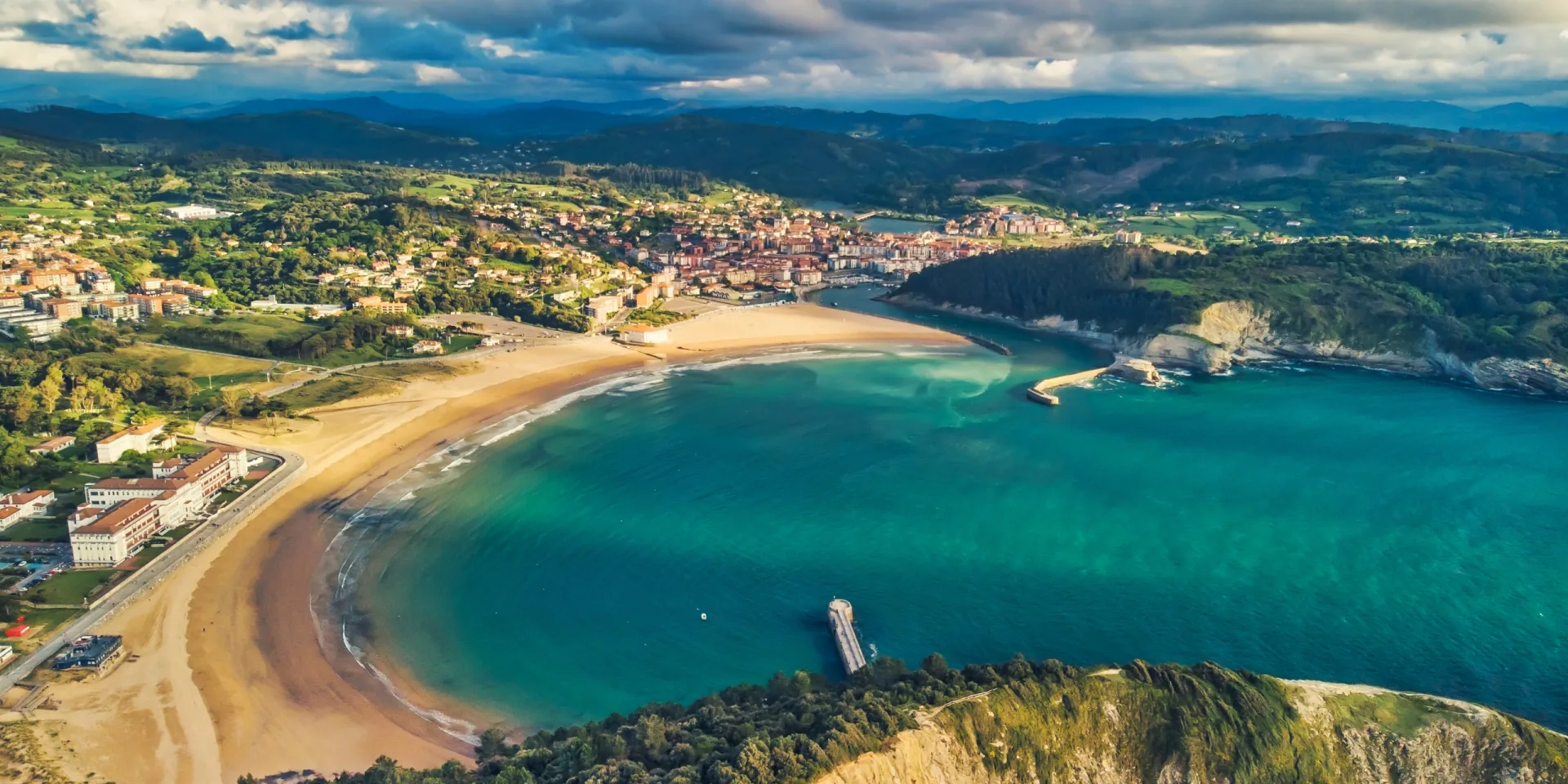
Bilbao has no beach of its own. Line 1 reaches two of them in Sopela, and the stop that serves both is not the one carrying the name.
The only UNESCO site in the Basque Country is also a commuter service, and Getxo has seven metro stops with no station carrying its name.
Two beaches inside one bay at the end of metro Line 1, with calm water, year-round surf schools and the only stretch of the coast where both beaches run assisted bathing.